


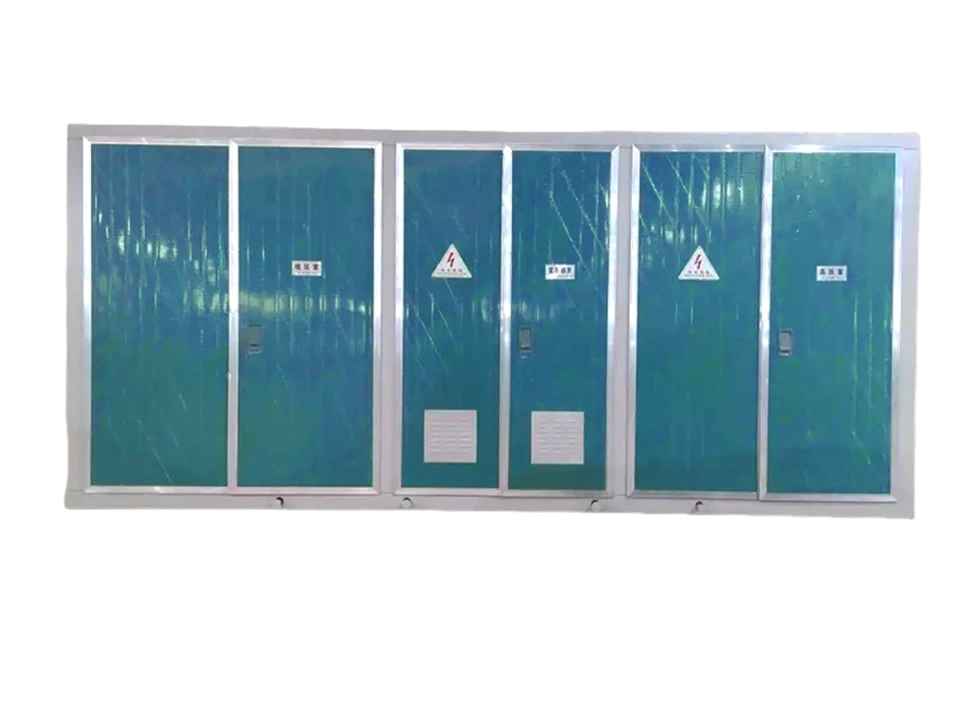
As a supplier of prefabricated substations, I understand the significance of transporting these complex and crucial pieces of equipment safely and efficiently. Prefabricated substations are self - contained units that house various electrical components, including transformers, switchgear, and control systems. They are pre - assembled in a factory and then transported to the installation site. In this blog, I will discuss the various aspects of transporting prefabricated substations.
Pre - transport Planning
Before the actual transportation begins, a comprehensive pre - transport planning process is essential. First, we need to conduct a detailed site survey at the destination. This survey helps us understand the terrain, access roads, and any potential obstacles that could affect the transportation. For example, if the installation site is located in a remote area with narrow roads or low - hanging power lines, special arrangements need to be made.
We also need to ensure that all the necessary permits are obtained. Different regions have different regulations regarding the transportation of large and heavy equipment. These permits are required to ensure that the transportation is legal and safe. Additionally, we must assess the weight and dimensions of the prefabricated substation accurately. This information is crucial for selecting the appropriate transportation mode and equipment.
Selection of Transportation Mode
There are several transportation modes available for prefabricated substations, and the choice depends on various factors such as distance, weight, and the nature of the destination.
Road Transportation
Road transportation is one of the most common methods for transporting prefabricated substations, especially for short to medium - distance deliveries. Trucks are used to carry the substations. However, for larger and heavier substations, specialized heavy - haul trucks are required. These trucks are equipped with reinforced chassis and powerful engines to handle the weight.
When using road transportation, we need to consider the road conditions. Poorly maintained roads or roads with sharp turns can pose challenges. We may need to choose alternative routes or take additional precautions to ensure the safety of the substation during transit. For example, we can use shock - absorbing materials to protect the substation from vibrations.
Rail Transportation
Rail transportation is suitable for long - distance transportation of prefabricated substations. It is a cost - effective option for large - scale projects. Railways can handle heavy loads more efficiently than roads. However, rail transportation requires proper loading and unloading facilities at both the origin and the destination.
We need to ensure that the substation is properly secured on the railcars to prevent any movement during transit. Specialized railcars are available for transporting heavy equipment, and we need to select the appropriate type based on the size and weight of the substation.
Sea Transportation
For international or long - distance projects, sea transportation may be the best option. Containerized prefabricated substations can be loaded onto cargo ships. Sea transportation allows for the movement of large quantities of equipment at once.
However, sea transportation also has its challenges. We need to consider the shipping schedule, port facilities, and potential weather conditions. The substation needs to be properly protected from moisture and saltwater corrosion during the journey.

Packaging and Securing
Proper packaging and securing of the prefabricated substation are crucial to prevent damage during transportation. The substation is usually wrapped in protective materials such as plastic sheets and foam to cushion it from impacts.
We also use steel straps and cables to secure the substation to the transportation vehicle. These straps are tightened to ensure that the substation remains stable during transit. For example, when using a truck, the substation is fixed to the truck bed to prevent it from shifting.
Monitoring During Transportation
Monitoring the prefabricated substation during transportation is essential to ensure its safety. We use various monitoring devices such as GPS trackers to keep track of the location of the substation. These trackers also provide real - time information about the speed, acceleration, and vibration of the transportation vehicle.
In addition, we can install sensors on the substation itself to monitor its condition. These sensors can detect any abnormal vibrations or movements, which could indicate potential damage. If any issues are detected, we can take immediate action to prevent further damage.
Unloading and Installation
Once the prefabricated substation reaches the destination, proper unloading and installation procedures are required. We use cranes and other lifting equipment to unload the substation from the transportation vehicle. The substation is then carefully placed on its foundation at the installation site.
During the installation process, we need to ensure that all the electrical connections are properly made. This requires skilled technicians who are familiar with the design and operation of the prefabricated substation.
Our Product Offerings
As a supplier of prefabricated substations, we offer a wide range of products to meet the diverse needs of our customers. For example, we have the GGD Type Low - Voltage AC Switchgear, which is a reliable and efficient switchgear solution for low - voltage applications. Our XLW - 1 Low - Voltage Cable Branch Box is designed to provide a convenient and safe way to distribute power in low - voltage networks. We also offer RMU + Transformer Integrated Equipment, which combines the functions of a ring main unit and a transformer in a single prefabricated unit.
Conclusion
Transporting prefabricated substations is a complex process that requires careful planning, the right transportation mode, proper packaging, and monitoring. As a supplier, we are committed to ensuring that our prefabricated substations are transported safely and efficiently to our customers. If you are in need of prefabricated substations or have any questions about the transportation process, please feel free to contact us for further discussion and procurement negotiation.
References
- Electrical Equipment Transportation Guidelines, Industry Standards Publication
- Best Practices for Heavy Equipment Transportation, Transportation Research Institute


