


Prefabricated substations have emerged as a revolutionary solution in the electrical infrastructure industry, significantly reducing labor requirements during installation. As a supplier of prefabricated substations, I have witnessed firsthand the transformative impact these innovative structures have on project timelines, cost efficiency, and overall labor management. In this blog post, I will delve into the various ways prefabricated substations streamline the installation process and minimize the need for extensive on - site labor.
Factory - Built Integration
One of the primary reasons prefabricated substations reduce labor requirements is the high degree of factory - built integration. Unlike traditional substations, which are constructed piece - by - piece on the installation site, prefabricated substations are assembled in a controlled factory environment. This allows for efficient use of specialized labor and equipment.
In our factory, we have a team of highly skilled technicians who are well - versed in the assembly of prefabricated substations. They work on a production line, following standardized procedures to install components such as transformers, switchgear, and control systems. The use of pre - engineered designs and modular construction techniques ensures that each substation is built with precision and consistency.
For example, the GGD Type Low - Voltage AC Switchgear is pre - assembled in the factory. This switchgear is a crucial component of our prefabricated substations, and its factory - built nature means that it arrives at the installation site fully functional. On - site workers only need to connect it to the rest of the substation, which requires significantly less labor compared to building the switchgear from scratch on - site.
Reduced On - Site Construction Time
The time spent on on - site construction is a major factor in labor requirements. Traditional substation construction involves a long and complex process, including excavation, foundation work, and the installation of individual components. Each step requires a significant amount of labor and time.
Prefabricated substations, on the other hand, are delivered to the site in a nearly complete state. The foundation work can be simplified, as the prefabricated substation is designed to fit onto a pre - prepared base. Once the substation arrives, it can be quickly installed and connected to the electrical grid.
Our RMU + Transformer Integrated Equipment is a prime example of how prefabrication reduces on - site construction time. This integrated equipment is pre - tested in the factory, ensuring that it functions properly before it is shipped. On - site, the installation process mainly involves aligning the equipment and making electrical connections. This reduces the number of days and the amount of labor required for installation compared to a traditional setup where the RMU and transformer would be installed separately.
Standardization and Modularity
Prefabricated substations are designed with standardization and modularity in mind. Standardized components and designs make it easier to manufacture and install the substations. The modular nature of these substations allows for easy customization and expansion.
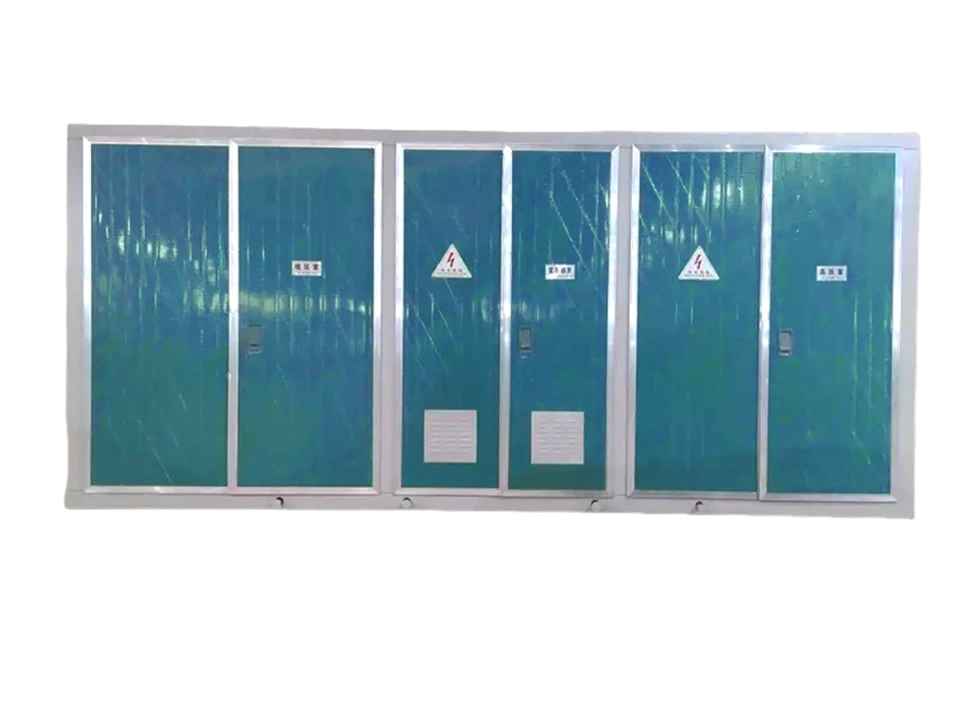
When it comes to installation, standardized modules can be quickly connected to each other. Workers do not need to spend time on complex measurements and custom - fitting of components. For instance, our PV Prefab Substation Combo is designed with modular components that are pre - configured to work together. This means that on - site installation is a matter of connecting the modules, which can be done with minimal labor and expertise.

Pre - Testing and Quality Assurance
Another advantage of prefabricated substations is the ability to conduct pre - testing in the factory. Before the substation is shipped to the installation site, it undergoes a series of rigorous tests to ensure that all components are functioning correctly.
This pre - testing reduces the need for on - site troubleshooting and rework. In a traditional substation, on - site testing often reveals issues that require additional labor to fix. With prefabricated substations, any problems are identified and resolved in the factory, where the necessary tools and expertise are readily available.
For example, the electrical systems in our prefabricated substations are tested for voltage regulation, insulation resistance, and protection coordination. Once the substation passes these tests, it is ready for installation. This not only saves labor but also ensures a higher level of quality and reliability.
Reduced Safety Risks and Labor Intensive Tasks
On - site construction of traditional substations involves many labor - intensive and high - risk tasks, such as working at heights, handling heavy equipment, and dealing with electrical hazards. Prefabricated substations minimize these risks by shifting most of the work to the factory environment.
In the factory, workers are protected by proper safety equipment and a controlled work environment. The pre - assembled nature of the substation means that on - site workers are mainly involved in less risky tasks such as connection and alignment. This reduces the need for specialized safety training and the number of workers required to perform high - risk activities.
Cost Savings and Labor Optimization
By reducing labor requirements, prefabricated substations also lead to significant cost savings. The reduced on - site labor means lower labor costs, as well as savings on equipment rental and other associated expenses. Additionally, the shorter installation time allows projects to be completed faster, which can result in earlier revenue generation.
As a supplier, we understand the importance of cost - effective solutions for our customers. Our prefabricated substations offer a balance between quality, performance, and cost. By minimizing labor requirements, we help our customers optimize their project budgets and achieve their goals more efficiently.
Conclusion
In conclusion, prefabricated substations offer a multitude of benefits when it comes to reducing labor requirements during installation. The factory - built integration, reduced on - site construction time, standardization, pre - testing, and reduced safety risks all contribute to a more efficient installation process.
If you are in the market for a prefabricated substation, we invite you to contact us for a detailed discussion about your specific requirements. Our team of experts is ready to provide you with the best solutions and support throughout the procurement process. Whether you need a GGD Type Low - Voltage AC Switchgear, RMU + Transformer Integrated Equipment, or PV Prefab Substation Combo, we have the expertise and resources to meet your needs.
References
- "Prefabricated Substations: Design, Installation, and Maintenance" - Electrical Engineering Journal
- "The Impact of Modular Construction on Labor Efficiency in the Electrical Industry" - Construction Management Review
- "Advantages of Factory - Built Electrical Substations" - Power Systems Magazine


